

What Is a Psychiatrist? A Complete Guide to Understanding Mental Health Specialists
Mental health has become one of the most important aspects of overall well-being. However, many people still hesitate when they hear the word “psychiatrist.” Some assume psychiatrists only treat severe mental illnesses, while others believe visiting one means something is “wrong” with them.
In reality, these misconceptions are far from the truth.
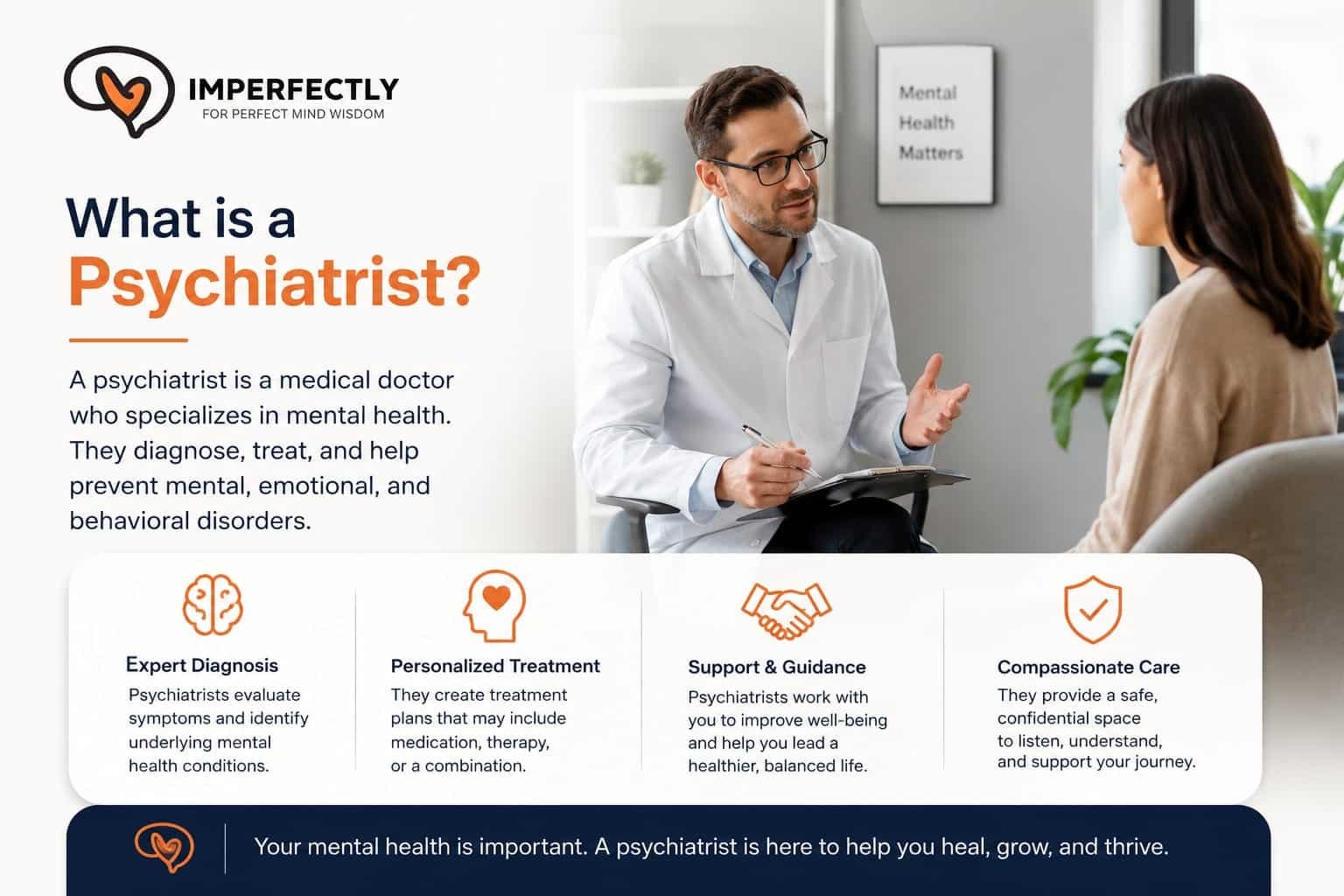
A psychiatrist is a medical doctor who specializes in diagnosing, treating, and preventing mental, emotional, and behavioral disorders. Just as you would visit a cardiologist for heart-related concerns or an orthopedic specialist for bone injuries, a psychiatrist is the expert for conditions that affect your thoughts, emotions, behavior, and brain health.
Most importantly, seeking psychiatric care is not a sign of weakness—it’s a proactive step toward improving your quality of life.
Who Is a Psychiatrist?
A psychiatrist is a licensed physician who has completed medical school followed by specialized training in psychiatry. As a result, they understand not only the psychological aspects of mental health but also the biological and neurological factors that contribute to emotional well-being.
Unlike many other mental health professionals, psychiatrists can prescribe medications, order laboratory tests, review medical conditions that may influence mental health, and create comprehensive treatment plans.
Ultimately, their goal is not simply to reduce symptoms but to help individuals regain stability, improve daily functioning, and achieve long-term mental wellness.
What Does a Psychiatrist Do?
Many people imagine psychiatric appointments involve only prescribing medication. However, psychiatric care is far more comprehensive than that.
A psychiatrist typically:
- Evaluates emotional, behavioral, and cognitive symptoms.
- Diagnoses mental health conditions.
- Prescribes and monitors medications when appropriate.
- Reviews physical health issues that may affect mental well-being.
- Coordinates care with psychologists, therapists, and primary care physicians.
- Helps patients manage both short-term mental health crises and long-term conditions.
In addition, every treatment plan is tailored to the individual’s symptoms, lifestyle, medical history, and personal goals.
Conditions Treated by Psychiatrists
Psychiatrists help people experiencing a wide range of mental health concerns, including:
- Depression
- Anxiety disorders
- Panic attacks
- Bipolar disorder
- Schizophrenia
- Obsessive-Compulsive Disorder (OCD)
- Post-Traumatic Stress Disorder (PTSD)
- Attention-Deficit/Hyperactivity Disorder (ADHD)
- Eating disorders
- Sleep-related disorders
- Addiction and substance use disorders
- Stress-related conditions
Importantly, not every patient has a severe mental illness. Instead, many seek psychiatric care because emotional symptoms are affecting relationships, work performance, sleep, or overall quality of life.
When Should You See a Psychiatrist?
Many people wait until their symptoms become overwhelming before seeking professional help.
However, early intervention often leads to better outcomes.
Consider consulting a psychiatrist if you experience:
- Persistent sadness lasting several weeks
- Excessive worry or constant anxiety
- Frequent panic attacks
- Difficulty sleeping despite good sleep habits
- Sudden mood swings
- Loss of motivation or interest in daily activities
- Thoughts of self-harm or suicide
- Difficulty concentrating
- Hallucinations or unusual beliefs
- Emotional distress interfering with work, studies, or relationships
Therefore, mental health concerns rarely improve simply by ignoring them. Professional evaluation can help identify the underlying cause and provide effective treatment.
Psychiatrist vs. Psychologist: What’s the Difference?
This is one of the most common questions patients ask.
A psychiatrist is a medical doctor who diagnoses mental illnesses, prescribes medication when necessary, and manages the medical aspects of treatment.
On the other hand, a psychologist specializes in psychological assessment and therapy but generally does not prescribe medication in many countries.
Rather than replacing one another, psychiatrists and psychologists often work together. Someone with depression, for example, may receive medication from a psychiatrist while attending regular therapy sessions with a psychologist.
As a result, this collaborative approach often produces the best outcomes.
Does Every Patient Need Medication?
One of the biggest misconceptions about psychiatry is that every consultation ends with a prescription.
In reality, that simply isn’t true.
Medication is recommended only when it is clinically appropriate. For many people, treatment may involve psychotherapy, stress management techniques, lifestyle modifications, sleep improvement, or regular monitoring without medication.
When medication is prescribed, psychiatrists carefully consider:
- Medical history
- Existing medications
- Age
- Lifestyle
- Pregnancy status
- Potential side effects
- Individual treatment goals
Ultimately, the objective is always to use the safest and most effective approach for each person.
What Happens During Your First Appointment?
Your first consultation is designed to understand your overall mental health rather than rushing toward a diagnosis.
A psychiatrist may ask about:
- Current symptoms
- Medical history
- Family history
- Sleep patterns
- Daily routine
- Stress levels
- Relationships
- Substance use
- Previous treatments
- Personal goals
In some cases, additional medical investigations may be recommended to rule out physical conditions that can mimic psychiatric symptoms.
Above all, the appointment is confidential, supportive, and focused on helping you understand your mental health more clearly.
Can Mental Health Conditions Be Successfully Managed?
Yes.
Many mental health conditions respond very well to appropriate treatment.
However, recovery does not always mean symptoms disappear overnight. Instead, it often means learning effective ways to manage symptoms, improve emotional resilience, maintain healthy relationships, and enjoy a fulfilling life.
Treatment may include:
- Medication
- Psychotherapy
- Lifestyle changes
- Stress management
- Regular follow-up appointments
- Family support
- Digital health monitoring
Overall, consistent care often produces the best long-term results.
Common Myths About Psychiatrists
Myth: Only people with severe mental illness need a psychiatrist.
Fact: Psychiatrists help people with mild, moderate, and severe mental health concerns.
Myth: Medication changes your personality.
Fact: Appropriate medication aims to reduce distressing symptoms—not change who you are.
Myth: Mental health problems can simply be overcome with willpower.
Fact: In reality, many mental health conditions involve complex biological, psychological, and social factors that benefit from professional treatment.
Why Early Mental Health Care Matters
Delaying treatment often allows symptoms to become more difficult to manage.
Fortunately, early psychiatric care can:
- Reduce symptom severity
- Improve work performance
- Strengthen relationships
- Prevent complications
- Improve sleep
- Enhance emotional resilience
- Support long-term recovery
Ultimately, the sooner concerns are addressed, the greater the opportunity for meaningful improvement.
Start Your Mental Wellness Journey Today with Imperfectly
At Imperfectly, we believe that accessing mental healthcare should be simple, compassionate, and free from stigma. Whether you’re experiencing anxiety, depression, stress, burnout, mood changes, or simply looking for professional mental health support, Imperfectly connects you with experienced psychiatrists and other qualified mental health professionals who provide personalized care tailored to your unique needs. From your very first consultation through every stage of your recovery, our platform supports you with expert guidance, ongoing treatment, and personalized progress tracking. Additionally, you can book appointments, access secure medical records, and manage your mental healthcare—all in one easy-to-use platform. As a result, you can focus on your recovery with confidence, convenience, and continuous support every step of the way.
Download the Imperfectly App
📱 Connect with experienced Psychiatrists, Psychologists, Life Coaches, and Physicians.
📅 Book online or in-clinic appointments in minutes.
📈 Track your recovery journey with personalized wellness insights.
🔒 Access secure prescriptions, therapy notes, and medical records anytime.
💙 Experience complete 360° mental healthcare in one application.
Contact Imperfectly
Imperfectly – Your Trusted 360° Mental Health Platform
🌐 Website: https://imperfectly.co
📱 Patient Portal: https://imperfectly.co/application/
📞 Phone: +91 8448073838
📧 Email: admin@imperfectly.co