

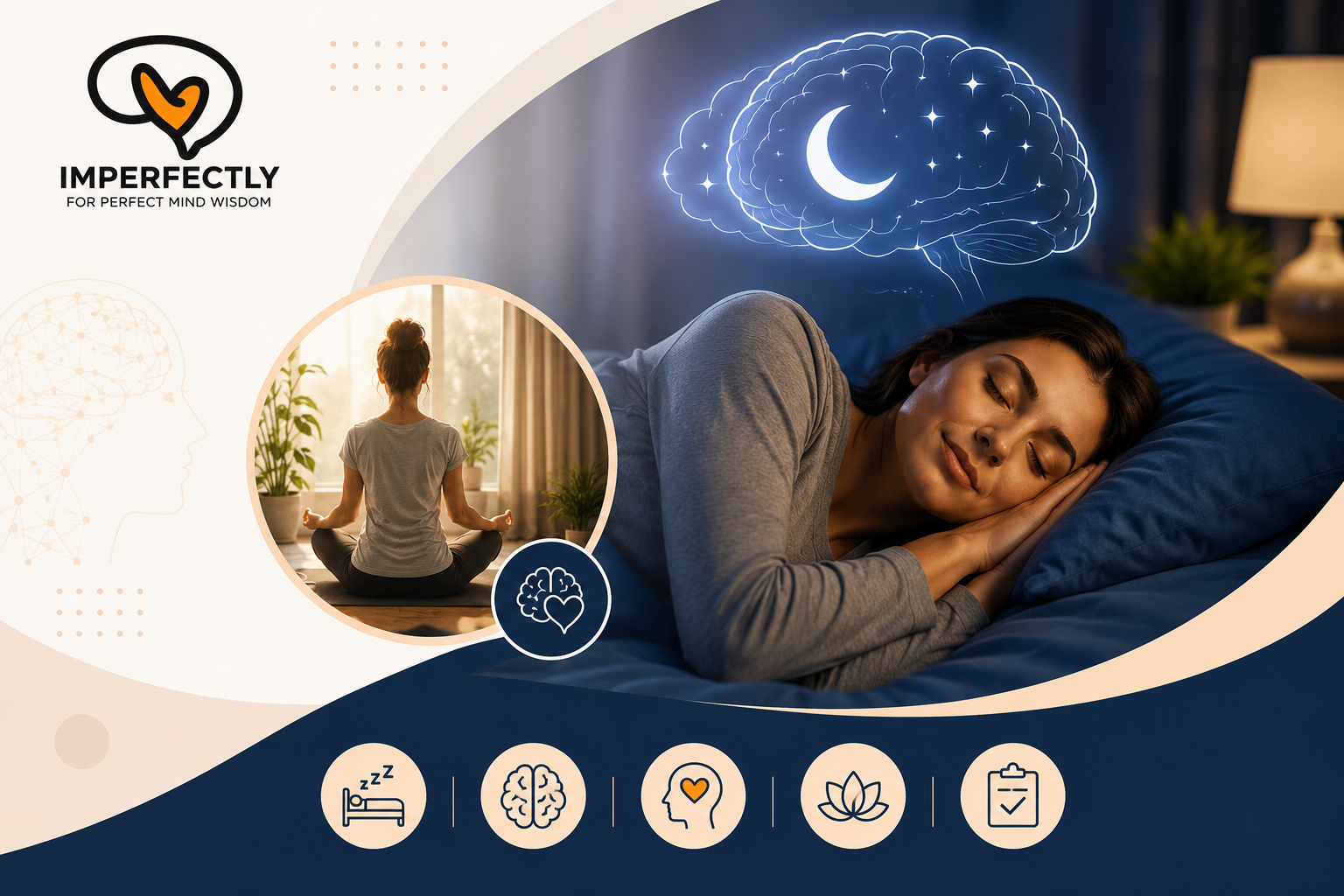
The Connection Between Sleep and Mental Health
Sleep is often the first thing people sacrifice when life becomes busy. Whether it’s meeting work deadlines, caring for family, scrolling through social media, or worrying about tomorrow, many people convince themselves they can function well on just a few hours of rest. After spending more than a decade working alongside psychologists and psychiatrists, I can confidently say that poor sleep is one of the most overlooked contributors to emotional distress.
What surprises many people is that sleep problems are rarely just a symptom of mental health challenges—they are often part of the cause. Likewise, anxiety, depression, and chronic stress frequently make quality sleep harder to achieve. This creates a cycle where poor sleep worsens mental health, and declining mental health further disrupts sleep.
The encouraging news is that breaking this cycle is possible. In many cases, improving sleep habits leads to noticeable improvements in mood, emotional resilience, concentration, and overall well-being.
Why Sleep Matters More Than Most People Realize
Many people believe sleep simply helps the body recover physically. However, from years of observing patient progress, it becomes clear that the brain does much of its most important work while we sleep.
During healthy sleep, the brain processes emotions, stores memories, regulates stress hormones, and prepares itself for the next day. Without enough restorative sleep, these processes become less effective.
As a result, even emotionally healthy individuals may become more reactive, impatient, or overwhelmed after only a few nights of poor sleep.
The Relationship Between Sleep and Mental Health Goes Both Ways
One of the most important lessons from clinical practice is that sleep and mental health constantly influence one another.
Poor sleep increases emotional vulnerability, while emotional distress makes restful sleep more difficult.
People often arrive at therapy believing they have developed anxiety overnight. However, after discussing their daily routines, it becomes evident that weeks of disrupted sleep have significantly lowered their ability to cope with ordinary stress.
Similarly, someone experiencing depression may spend long hours in bed but still wake up feeling exhausted because their sleep quality remains poor.
Recognizing this two-way relationship helps create more effective treatment plans.
Signs That Poor Sleep Is Affecting Your Mental Health
Sleep deprivation does not always look like someone falling asleep during the day.
Instead, it often appears in subtle emotional and behavioral changes.
You Feel Irritable Over Small Things
Minor inconveniences suddenly trigger frustration or anger.
This is one of the earliest warning signs that emotional regulation is becoming more difficult.
Your Mind Never Slows Down
Many people describe feeling physically tired but mentally alert.
Thoughts race at bedtime, making it difficult to fall asleep.
You Struggle to Concentrate
Simple decisions become exhausting, conversations are harder to follow, and productivity begins to decline.
Your Motivation Drops
Activities that once felt enjoyable now seem like obligations.
Over time, this emotional fatigue may affect work, relationships, and confidence.
Common Mistakes That Quietly Damage Sleep
One pattern appears repeatedly among people struggling with poor sleep.
Most believe the solution is simply going to bed earlier.
Unfortunately, sleep is influenced by much more than bedtime.
Using Screens Until the Last Minute
Phones, tablets, and laptops stimulate the brain when it should be preparing for rest.
Additionally, endless scrolling often exposes people to stressful news or emotionally charged content before bed.
Ignoring Stress Throughout the Day
Many individuals suppress emotions while staying busy.
However, once the room becomes quiet, unresolved worries finally surface.
The result is lying awake replaying conversations, imagining worst-case scenarios, or planning tomorrow’s responsibilities.
Relying on Sleeping Pills Without Addressing the Cause
Medication may be appropriate in some situations under medical supervision.
However, lasting improvement usually comes from understanding why sleep has become disrupted in the first place.
Practical Habits That Improve Sleep and Emotional Well-Being
Small daily changes consistently produce better long-term results than dramatic overnight fixes.
Maintain a Consistent Sleep Schedule
Going to bed and waking up at similar times every day helps regulate the body’s internal clock.
Even weekends should remain reasonably consistent.
Create a Wind-Down Routine
Rather than expecting your brain to switch off instantly, give it time to slow down.
Reading, gentle stretching, calming music, or mindful breathing often help signal that the day is ending.
Reduce Late-Night Stimulation
Limit caffeine in the evening and reduce screen exposure before bed.
Instead, choose activities that promote relaxation.
Address Emotional Stress Early
One practical habit I often recommend is setting aside ten minutes before bedtime to write down worries or tomorrow’s tasks.
This simple exercise helps many people stop carrying mental clutter into bed.
When Poor Sleep May Signal a Mental Health Concern
Occasional restless nights are part of life.
However, persistent sleep problems deserve attention.
Consider speaking with a mental health professional if:
- Sleep difficulties continue for several weeks.
- Anxiety keeps you awake most nights.
- You frequently wake feeling exhausted.
- Mood changes interfere with work or relationships.
- Sleep problems are accompanied by sadness, hopelessness, or panic.
Early support often prevents symptoms from becoming more severe.
The Role of Therapy in Improving Sleep
Many people assume therapy focuses only on emotions.
In reality, therapists regularly explore sleep because it directly affects mental health recovery.
Through therapy, individuals often learn to:
Identify Hidden Stressors
Many sleep difficulties are linked to unresolved emotional concerns rather than physical illness.
Develop Healthier Coping Skills
Replacing worry, avoidance, or perfectionism with healthier thinking patterns often improves sleep naturally.
Build Sustainable Daily Routines
Therapy encourages practical lifestyle changes that support both emotional wellness and consistent sleep.
Better Sleep Is Built During the Day, Not Just at Night
One of the biggest misconceptions is that sleep is controlled entirely by what happens at bedtime.
In reality, quality sleep begins the moment you wake up.
Daily movement, healthy relationships, stress management, balanced nutrition, sunlight exposure, and emotional self-care all influence how well you sleep later.
People who consistently care for their mental well-being often notice gradual improvements in both sleep quality and emotional resilience.
Healthy Sleep Is an Investment in Your Mental Health
After years of working with individuals facing anxiety, depression, burnout, and chronic stress, one lesson remains remarkably consistent: improving sleep often becomes one of the earliest turning points in recovery.
Sleep cannot eliminate every life challenge.
However, it gives your brain the opportunity to process emotions, restore energy, and prepare for tomorrow with greater clarity.
Protecting your sleep is not a luxury—it is one of the most valuable investments you can make in your mental health.
Start Your Mental Wellness Journey Today with Imperfectly
Mental wellness begins with understanding the everyday habits that influence your emotional health—and sleep is one of the most important. At Imperfectly, we provide compassionate, personalized mental healthcare through a team of experienced psychiatrists, psychologists, life coaches, and physicians. Whether you’re struggling with anxiety, stress, burnout, sleep disturbances, or other mental health concerns, our experts work with you to create a treatment plan tailored to your needs. With secure digital tools, easy appointment booking, and continuous wellness tracking, Imperfectly helps you take meaningful steps toward a healthier, more balanced life.
Download the Imperfectly App
📱 Connect with experienced Psychiatrists, Psychologists, Life Coaches, and Physicians.
📅 Book online or in-clinic appointments in minutes.
📈 Track your recovery journey with personalized wellness insights.
🔒 Access secure prescriptions, therapy notes, and medical records anytime.
💙 Experience complete 360° mental healthcare in one application.
Contact Imperfectly
Imperfectly – Your Trusted 360° Mental Health Platform
🌐 Website: https://imperfectly.co
📱 Patient Portal: https://imperfectly.co/application/
📞 Phone: +91 8448073838
📧 Email: admin@imperfectly.co