

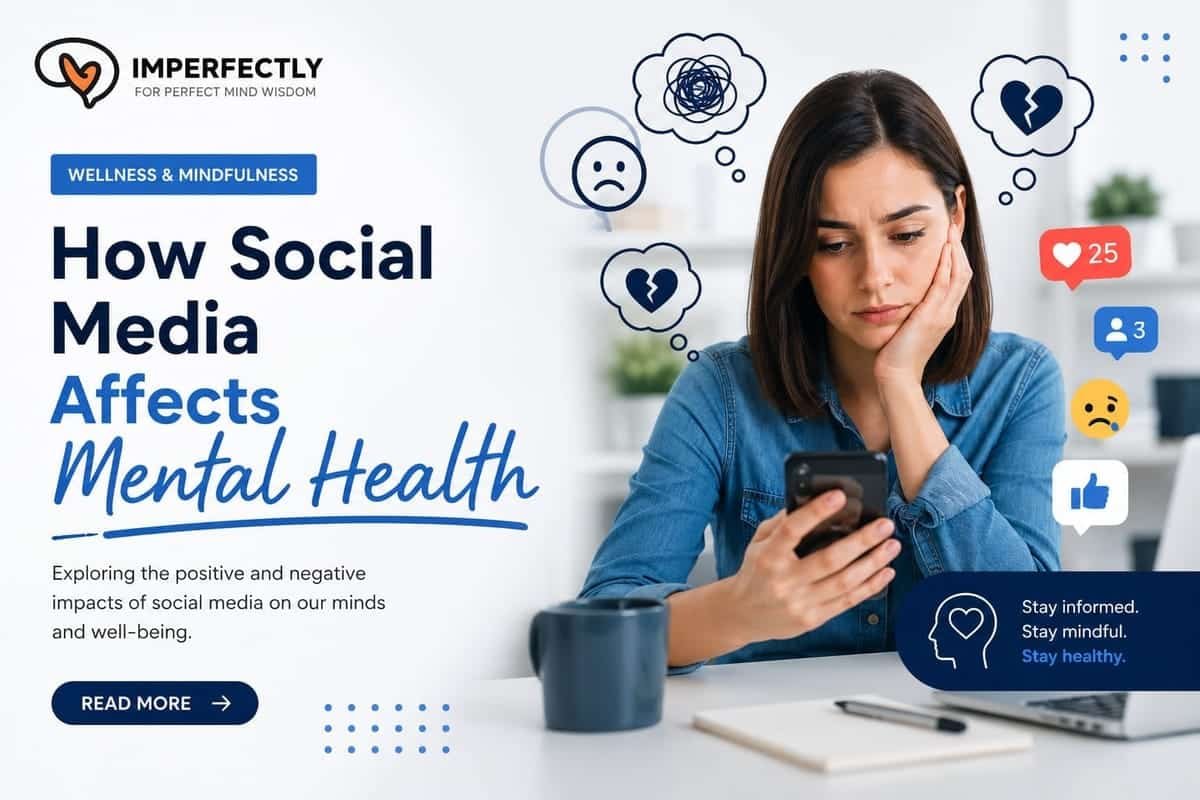
How Social Media Affects Mental Health
Social media has become a major part of everyday life. Whether it’s checking the latest news, sharing memories, watching short videos, or staying connected with loved ones, millions of people spend hours online every day. While these platforms have made communication easier than ever, they have also introduced new challenges that affect emotional and mental well-being.
The influence of social media on mental health is complex. It can help people feel connected and supported, but excessive or unhealthy use may contribute to stress, anxiety, loneliness, and reduced self-esteem. Understanding both the positive and negative effects can help individuals build healthier digital habits and improve their overall quality of life.
Understanding the Connection Between Social Media and Mental Health
Mental health refers to a person’s emotional, psychological, and social well-being. It affects how we think, feel, and interact with others. Social media influences these areas by shaping our daily experiences, relationships, and perceptions of ourselves.
The impact varies from person to person. While some people benefit from online communities and educational content, others may experience emotional exhaustion due to constant comparison, cyberbullying, or excessive screen time.
Positive Effects of Social Media on Mental Health
Staying Connected with Friends and Family
Social media helps people maintain relationships regardless of distance. Video calls, instant messaging, and online groups make it easier to stay in touch with loved ones, reducing feelings of isolation.
Access to Mental Health Resources
Many organizations, therapists, and wellness experts share valuable information online. Educational posts, motivational content, and awareness campaigns encourage people to learn more about mental health and seek help when needed.
Building Supportive Communities
Online support groups provide a safe space for people dealing with anxiety, depression, chronic illnesses, or personal challenges. Connecting with individuals who share similar experiences can offer comfort and encouragement.
Encouraging Creativity and Self-Expression
Social media allows users to express themselves through writing, photography, videos, artwork, and music. Creative expression often helps reduce stress and improves emotional well-being.
Negative Effects of Social Media on Mental Health
Increased Anxiety and Stress
Constant notifications, endless scrolling, and the pressure to stay updated can create mental fatigue. Many users feel anxious when they compare their lives with carefully curated online content.
Low Self-Esteem and Body Image Issues
Many social media posts display edited photos and idealized lifestyles. Comparing oneself to these unrealistic standards may lower confidence and create dissatisfaction with appearance or achievements.
Fear of Missing Out (FOMO)
Seeing others attend events, travel, or celebrate milestones may make users feel excluded or left behind. This fear can increase anxiety and reduce life satisfaction.
Sleep Disturbances
Using mobile devices late at night exposes users to blue light and keeps the brain active, making it harder to fall asleep. Poor sleep quality directly impacts emotional health and daily productivity.
Cyberbullying and Online Harassment
Negative comments, online abuse, and digital harassment can seriously affect emotional well-being. Victims of cyberbullying often experience stress, depression, and reduced confidence.
How Social Media Affects Teenagers and Young Adults
Young people are among the most active social media users. Since their identities and confidence are still developing, they may be more vulnerable to online pressure.
Academic stress, peer comparison, cyberbullying, and the desire for social approval can increase emotional challenges. Parents, teachers, and guardians should encourage open conversations about healthy online behavior and digital safety.
Signs That Social Media May Be Affecting Your Mental Health
Feeling Anxious Without Your Phone
If you constantly check notifications or feel uncomfortable being offline, social media may be influencing your emotional well-being.
Comparing Yourself to Others
Regularly measuring your success, appearance, or lifestyle against others online can reduce self-confidence.
Reduced Productivity
Excessive scrolling often distracts users from work, studies, hobbies, and personal goals.
Mood Changes After Using Social Media
Feeling sad, frustrated, jealous, or emotionally drained after spending time online may indicate an unhealthy relationship with social media.
Tips for Maintaining Healthy Social Media Habits
Set Daily Screen Time Limits
Limiting social media usage helps create a healthier balance between online and offline life.
Follow Positive and Educational Content
Choose accounts that inspire, educate, or motivate rather than those that create unnecessary pressure or negativity.
Take Regular Digital Breaks
Short breaks from social media can reduce stress and improve focus. Spending time outdoors, exercising, or reading can refresh the mind.
Avoid Comparing Your Life with Others
Remember that most people only share their best moments online. Real life includes challenges that are rarely visible on social media.
Prioritize Face-to-Face Relationships
Meaningful conversations with family and friends often provide stronger emotional support than online interactions.
The Role of Parents and Educators
Parents and educators play an important role in promoting healthy digital habits. Teaching children about responsible internet use, online privacy, and emotional resilience can help them navigate social media safely.
Creating an environment where young people feel comfortable discussing their online experiences also reduces the impact of cyberbullying and digital stress.
Finding the Right Balance
Social media is neither entirely good nor entirely bad. Its impact depends on how it is used. When approached thoughtfully, it can strengthen relationships, provide valuable information, and support personal growth. However, excessive or unhealthy use may negatively affect mental health and overall well-being.
Developing mindful digital habits, setting healthy boundaries, and prioritizing real-life connections can help individuals enjoy the benefits of social media while minimizing its risks.
Conclusion
Social media has transformed the way people communicate, learn, and share experiences. While it offers countless opportunities for connection and self-expression, it also presents challenges that can affect mental health. By usin social media responsibly, practicing self-awareness, and maintaining a healthy balance between online and offline life, individuals can protect their mental well-being and enjoy a more positive digital experience. For more information connect with imperfectly and Download the app
Contact Us
IMPERFECTLY Tech Private Limited
Address:
C-1401, Sector 2, Palam Vihar, Gurugram, Haryana 122017
Phone:
+91 8448073838
Email:
booking@imperfectly.co